


Diamonds have captivated the human imagination for centuries, cherished for their breathtaking beauty and remarkable durability. With advances in technology, a new player has emerged in the diamond industry: labgrown diamonds. While natural diamonds have long been the reigning symbol of luxury, lab-grown diamonds are gaining popularity as an ethical and sustainable alternative. In this blog post, we will explore the key differences between lab-grown diamonds and natural diamonds, shedding light on their origins, characteristics, and environmental impact.
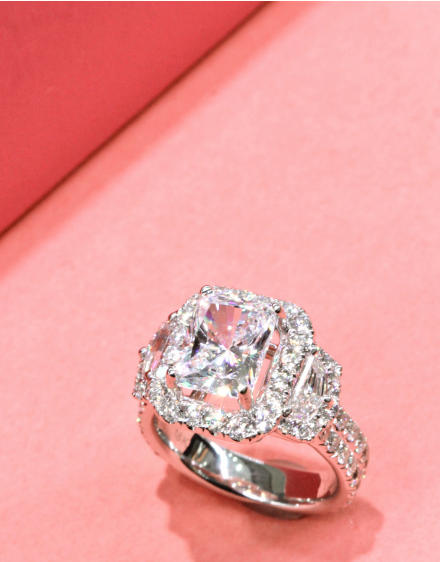
Lab-Grown Diamonds
Lab-Grown Diamonds are created in a controlled laboratory environment. They are made using one of two methods: high pressure, high temperature (HPHT) or chemical vapor deposition (CVD). These processes mimic the natural conditions under which diamonds are formed, but in a much shorter time frame.
Natural Diamonds:
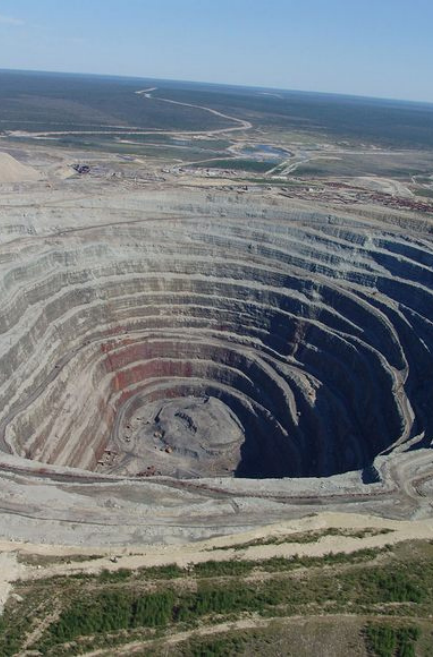
Natural diamonds are formed deep within the Earth's mantle over billions of years. They are created when carbon atoms are subjected to extreme heat and pressure, causing them to crystallize into diamonds. These precious gems are then brought to the Earth's surface through volcanic eruptions.
Pricing and Affordability:
Lab-Grown Diamonds: Lab-grown diamonds are typically more affordable than their natural counterparts. The controlled production process allows for a consistent supply, which helps regulate prices. Additionally, the absence of mining costs and the shorter production time contribute to the relatively lower price tag of lab-grown diamonds.
Natural Diamonds: Natural diamonds are scarce and finite resources, making them inherently more valuable. Factors such as rarity, size, color, and clarity greatly influence the price of natural diamonds. The demand for natural diamonds also remains high due to their long-standing association with luxury and romance.
Composition and Quality:
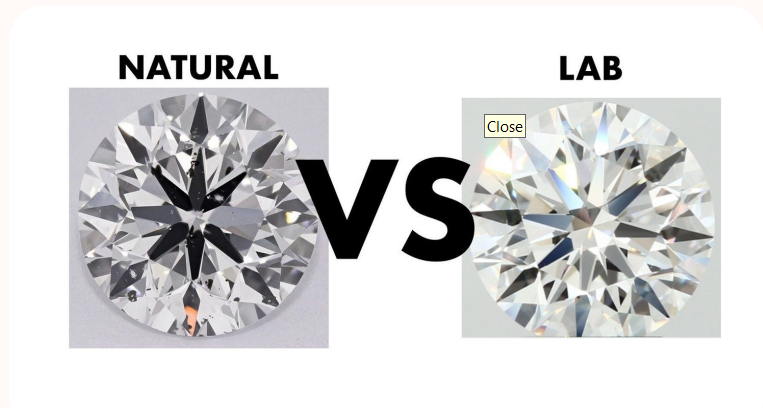
Lab-Grown Diamonds: Chemically and structurally, labgrown diamonds are identical to natural diamonds. Both are composed of carbon atoms arranged in a crystalline lattice structure. The main difference lies in the growth process and the absence of impurities commonly found in natural diamonds. Lab-grown diamonds often have fewer flaws and a more consistent color, clarity, and cut.
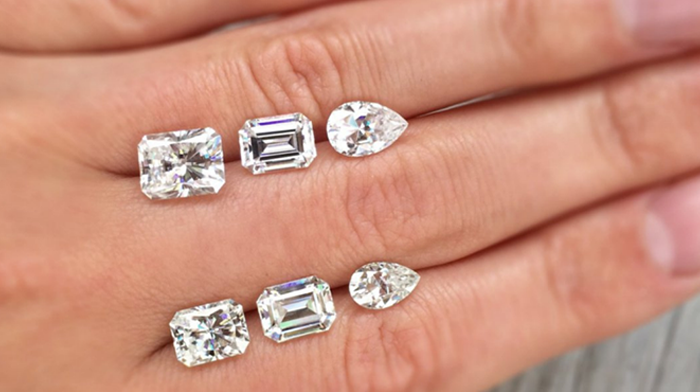
Natural Diamonds: Natural diamonds can vary significantly in terms of color, clarity, and other quality factors. These variations are a result of the geological conditions and natural impurities present during their formation. Natural diamonds can exhibit a wider range of colors, including fancy colored diamonds, which are highly valued for their rarity
Lab Vs Mined Diamonds
In the age of conscious consumerism, lab-grown diamonds provide an ethical and environmentally friendly alternative to natural diamonds. They offer identical beauty and durability, while mitigating the negative impacts associated with mining. Natural diamonds, on the other hand, continue to hold a special allure due to their unique origins and historical significance. Ultimately, the choice between lab-grown and natural diamonds depends on personal preferences and values. Regardless of the choice, diamonds will continue to be cherished as timeless treasures that celebrate love and special moments in our lives.